Weather in Playa del Carmen by Month — Complete Climate Guide
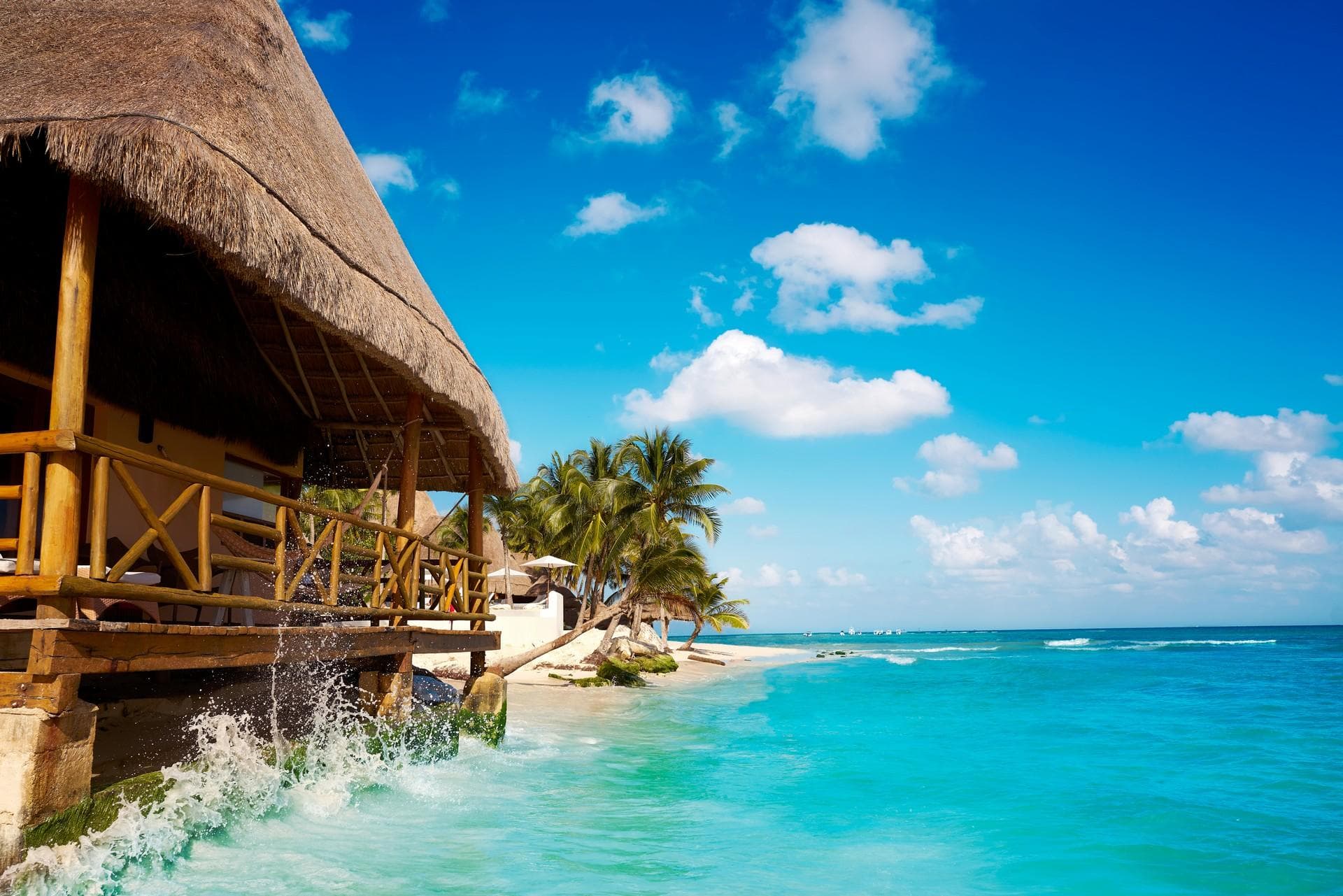
Playa del Carmen's Tropical Climate
Playa del Carmen has a tropical climate with warm temperatures year-round, distinct wet and dry seasons, and the occasional hurricane threat. Whether you're planning a vacation or deciding when to move, understanding the weather patterns helps you make the most of life on the Riviera Maya.
The short version: it's warm and sunny most of the time. December through April is dry season (the best weather). June through October brings more rain and higher humidity. Hurricane season runs June through November, with peak risk in September and October.
Weather by Month
| Month | Avg High | Avg Low | Rain Days | Humidity | Vibe |
|---|---|---|---|---|---|
| January | 28°C / 82°F | 21°C / 70°F | 4–5 | Moderate | Peak season. Perfect weather. Busy. |
| February | 29°C / 84°F | 21°C / 70°F | 3–4 | Moderate | Driest month. Ideal conditions. |
| March | 30°C / 86°F | 22°C / 72°F | 3–4 | Moderate | Spring break crowds. Great weather. |
| April | 31°C / 88°F | 23°C / 73°F | 3–4 | Moderate | Getting warmer. Semana Santa is busy. |
| May | 32°C / 90°F | 24°C / 75°F | 7–8 | High | Transition month. Rain starts. Sargassum begins. |
| June | 33°C / 91°F | 25°C / 77°F | 10–12 | High | Rainy season begins. Hot and humid. |
| July | 33°C / 91°F | 25°C / 77°F | 8–10 | High | Hot but slightly less rain than June. |
| August | 33°C / 91°F | 25°C / 77°F | 9–11 | Very High | Hottest period. Sargassum can be heavy. |
| September | 32°C / 90°F | 24°C / 75°F | 12–14 | Very High | Peak hurricane risk. Most rain. |
| October | 31°C / 88°F | 23°C / 73°F | 10–12 | High | Hurricane risk continues. Nortes begin. |
| November | 29°C / 84°F | 22°C / 72°F | 6–8 | Moderate | Transition to dry season. Nice. |
| December | 28°C / 82°F | 21°C / 70°F | 4–5 | Moderate | High season begins. Beautiful weather. |
Dry Season (December – April)
This is the golden period in Playa del Carmen and the reason it's peak tourist season.
What to Expect
- Temperatures: 28–31°C (82–88°F) during the day, cooling to 20–23°C (68–73°F) at night
- Rain: Minimal. Maybe a brief shower once a week, usually passing quickly.
- Humidity: Moderate and comfortable. Nothing like the summer months.
- Ocean water: 26–27°C (79–81°F) — perfect for swimming
- Nights: Can actually feel cool, especially January/February. You might want a light layer for rooftop dinners.
Best For
Everything. Beach days, cenote visits, ruins exploration, outdoor dining, nightlife. This is the best time to visit Playa del Carmen if you want guaranteed good weather.
Downsides
It's peak season, which means higher prices (accommodations can be 30–50% more than low season), more crowded beaches, and busier restaurants. December holidays and Semana Santa (Easter week) in March/April are the most packed periods.
Rainy Season (June – October)
The rainy season doesn't mean constant rain — it means afternoon thunderstorms, higher humidity, and the possibility of tropical weather systems.
What Rain Actually Looks Like
Typical pattern: mornings are sunny and hot. Around 2–4 PM, clouds build and a heavy but brief rainstorm rolls through, lasting 30 minutes to 2 hours. Then it clears up for sunset. You can absolutely enjoy Playa during rainy season — just plan outdoor activities for the morning.
Occasionally, a weather system will bring 2–3 days of continuous rain and overcast skies, but this is the exception rather than the rule.
Humidity
This is the real challenge of Playa's summer. Humidity regularly exceeds 80–90%, making even moderate temperatures feel oppressive. Air conditioning goes from luxury to necessity. Your clothes won't dry on the line. Mold becomes a real concern — see our Mold & Humidity Guide.
Upsides of Rainy Season
- Lower prices — Hotels, Airbnbs, and rentals can be 30–50% cheaper
- Fewer tourists — Beaches and cenotes are less crowded
- Lush vegetation — The jungle is at its greenest and most vibrant
- Warm ocean — Water temperatures peak at 29°C (84°F)
- Dramatic skies — The thunderstorms produce incredible sunsets
Hurricane Season
Official hurricane season runs June 1 – November 30, with peak activity from mid-August through October.
Historical Context
Playa del Carmen has been directly hit by major hurricanes a handful of times in recent decades. The Yucatán Peninsula's geography means the entire Caribbean coast is vulnerable. Major storms that impacted the area include Wilma (2005), Dean (2007), and more recently tropical storms and near-misses.
What Happens During a Hurricane Threat
The community has discussed hurricane preparation extensively:
- Government alerts: Mexican authorities issue alerts through a color-coded system (green, yellow, orange, red)
- Businesses close: Restaurants, shops, and government offices shut down
- Power outages: Common during and after storms. Can last hours to days.
- Water and supplies: Stock up on water, batteries, and non-perishable food when a storm is forecast
- Shelters: Public shelters open for those in vulnerable buildings
- Community support: WhatsApp groups become essential for real-time updates, checking on neighbors, and sharing resources
Hurricane Preparedness Checklist
- 3+ days of drinking water (garrafones)
- Non-perishable food and manual can opener
- Flashlights and extra batteries (or rechargeable battery packs for phones)
- Important documents in waterproof bags
- Cash (ATMs won't work without power)
- Full tank of gas if you have a car
- Medications for at least 1 week
- Know your nearest shelter location
Nortes (Cold Fronts)
From October through March, "nortes" (cold fronts from the north) occasionally sweep through. These bring:
- 2–3 days of overcast, windy, cooler weather
- Temperatures dropping to 18–22°C (64–72°F) — chilly by Playa standards
- Rough seas and higher waves
- Occasional light rain
For locals, nortes mean pulling out the one hoodie they own. For visitors from cold climates, it's still shorts weather. Nortes are temporary — the sun always comes back within a few days.
Sargassum (Seaweed) Season
Sargassum is the brown seaweed that washes up on Caribbean beaches. It's become a significant issue in recent years.
When to Expect It
- Peak season: May through August
- Worst months: June and July (historically)
- Variable: Some years are much worse than others. It depends on ocean currents and conditions in the Sargasso Sea.
Impact
- Beaches can be covered in brown seaweed
- The smell can be unpleasant when it decomposes
- Swimming can be affected
- Hotels and the city deploy cleanup crews daily, but it's an ongoing battle
How to Deal With It
- Check current conditions on Facebook groups or sargassum tracking sites before planning beach days
- North-facing beaches (like in Puerto Morelos) tend to get less sargassum
- Cenotes are always sargassum-free — a perfect alternative
- Beach clubs with sargassum barriers tend to have cleaner water
What to Pack for Playa del Carmen
Year-Round Essentials
- Light, breathable clothing (cotton, linen)
- Reef-safe sunscreen (regular sunscreen is banned at cenotes and eco-parks)
- Sunglasses and a hat
- Comfortable walking shoes/sandals
- Swimsuit (multiple — they take forever to dry in humidity)
- Mosquito repellent
Rainy Season Additions
- Compact umbrella or light rain jacket
- Quick-dry clothing
- Waterproof phone case
- Flip-flops for wet streets
Dry Season / Norte Additions
- Light sweater or hoodie for cooler evenings
- Long pants for nicer restaurants
Best Time to Visit Playa del Carmen
| Priority | Best Months | Why |
|---|---|---|
| Best weather overall | February – April | Warm, dry, low humidity, warm ocean |
| Best value | June – October | Low season prices, fewer crowds |
| Best balance | November | Dry season starting, prices still low, minimal crowds |
| Avoid if possible | Late September | Peak hurricane risk, heaviest rain |
| Avoid for beaches | June – July | Peak sargassum (varies by year) |
Climate Change & Trends
Like everywhere, Playa del Carmen's weather patterns are shifting. Recent trends include:
- Rising ocean temperatures affecting coral reefs and hurricane intensity
- Sargassum events becoming more frequent and intense
- Increasingly unpredictable rainfall patterns
- More intense but shorter storms
None of this changes the fundamental appeal of Playa's climate — it's still one of the most pleasant year-round climates in the world. But it does mean being prepared and flexible, especially during hurricane season.
For more on living in Playa del Carmen, see our guides on Moving to Playa del Carmen and Mold & Humidity.