Welcome to the Humidity — Your New Roommate
If there's one thing every expat in Playa del Carmen agrees on, it's this: the humidity is no joke. With average humidity levels between 80-90% year-round (and frequently higher), mold isn't just a possibility — it's an inevitability if you don't actively prevent it.
As one community member shared from the heart: "It's a Playa problem!" And they're right. Mold will find your leather shoes, your favorite belt, your laptop keyboard, the inside of your closet, and the corners of your bathroom — sometimes within weeks of arriving.
This guide is your battle plan. With the right strategies, you can keep mold at bay and your belongings intact. But you have to be proactive — once mold gets established, it's much harder to eliminate.
Why Mold Is Constant in Playa del Carmen
- 80-90% relative humidity year-round (ideal for mold is above 60%)
- Warm temperatures year-round (mold thrives in heat)
- Concrete construction absorbs and holds moisture
- Limited ventilation in many apartments
- Intermittent AC use creates condensation cycles
- Rainy season (May-October) makes everything worse
As one resident noted about the feel of it: "Just go outside on a humid hot day. Same thing." That sticky, heavy air doesn't stop at your front door.
Prevention Strategies — Your First Line of Defense
1. Use Your AC Wisely
Air conditioning is your #1 weapon against humidity indoors. Multiple community members share this critical tip:
"Check your AC unit to see if it has the 'Dry' option. It will help dehumidify the room." Most split-unit ACs in Mexico have a dedicated "Dry" mode (symbolized by a water droplet icon) that removes moisture without making the room as cold as full cooling mode.
- Run AC or dry mode daily — even when you're out. A few hours of AC per day prevents moisture buildup.
- Don't leave your apartment sealed and unventilated for days. If you travel, have someone check on your place. As one expat advised: "It's best to have your housekeeper go and air the place out once a week while you're gone."
- Clean your AC regularly. AC filters accumulate mold too: "It should cost around 500 pesos for changing filters and cleaning inside the frame. They get mouldy." Schedule AC maintenance every 6 months.
2. Get a Dehumidifier
A standalone dehumidifier is the second most important tool after AC. It pulls water directly from the air — you'll be shocked at how much water fills the collection tank in 24 hours.
- Size: For a 1BR apartment, a 10-20 liter capacity unit works well
- Cost: $2,500–$5,000 pesos at Home Depot, Walmart, or MercadoLibre
- Placement: Put it in the room where humidity is worst — usually the bedroom or living room
- Empty regularly: The collection tank fills daily during rainy season. Many units have a continuous drain option if you can route a hose to a drain.
3. Ventilation Is Key
- Keep ceiling fans running. Air circulation prevents stagnant, moist air from settling. As one expat shared: "I have always just kept the ceiling fans on and put out a couple of DampRid containers from Home Depot. No mold issues and no electric use from AC."
- Open windows strategically. Morning air is typically less humid than afternoon air. Open windows to create cross-ventilation when possible, but close them during rain and peak humidity.
- Don't block vents or air returns. Keep furniture away from walls (leave at least a few inches) to allow air circulation behind.
4. DampRid and Moisture Absorbers
DampRid containers and similar moisture-absorbing products are cheap insurance:
- Where to buy: Home Depot, Walmart, MercadoLibre (search "absorbente de humedad")
- Where to place: Closets, bathroom shelves, under sinks, inside cabinets, near shoes
- Cost: $100–$300 pesos per container
- Refill: Replace when the crystals dissolve and the container fills with water (every 2-4 weeks in peak humidity)
Protecting Your Belongings
Leather Items (Shoes, Bags, Belts)
Leather is mold's favorite snack in the tropics. Many expats learn this the expensive way.
- Store leather in a closet with DampRid or silica gel packets.
- Check leather items weekly. Catch mold early and wipe it off with a dry cloth.
- Apply leather conditioner regularly — it creates a protective barrier.
- Consider storing expensive leather items in sealed bags with silica gel packets.
- If mold appears: Wipe with a cloth dampened with white vinegar, let dry completely in sunlight, then condition.
Electronics
Humidity can damage laptops, cameras, and other electronics — especially if they sit unused for extended periods.
- Run electronics regularly. The heat they generate helps keep internal moisture at bay.
- Store unused electronics with silica gel packets in sealed containers or bags.
- Use your AC or dehumidifier in the room where you keep electronics.
- Watch for keyboard stiffness, screen condensation, or lens fog — early signs of humidity damage.
Clothes and Textiles
- Don't stuff your closet full. Air needs to circulate between hanging clothes.
- Use closet dehumidifiers (hanging moisture absorbers) — available at Home Depot and Walmart.
- Wash and completely dry clothes before storing. Even slightly damp clothing will mold quickly.
- Sun-dry when possible. UV light from sunlight is a natural mold killer.
Walls, Ceilings, and Bathrooms
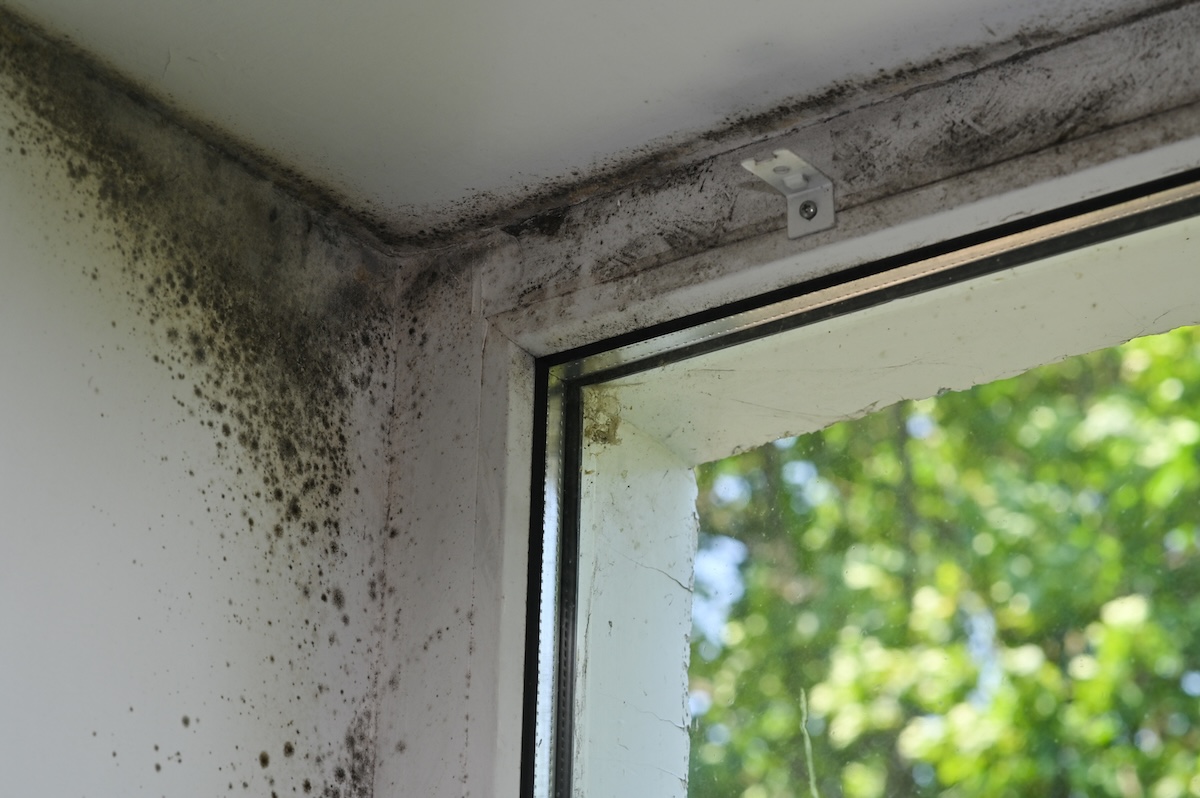
Black mold in bathrooms and on walls is the most visible humidity problem. Community members frequently ask: "Does anyone know of a reputable mold inspection and cleaning in Playa?"
- Check corners, behind furniture, and under sinks regularly.
- Bathroom mold: Keep the bathroom ventilated after showers. Run the exhaust fan or leave the door open. Squeegee shower walls after use.
- Wall mold: Often appears at the junction of walls and ceiling, behind headboards, and in corners with poor air circulation.
Cleaning Mold — What Actually Works
When mold appears (not if, when), here's what to do:
For Hard Surfaces (Walls, Tiles, Counters)
- Spray with bleach solution (1 part bleach to 10 parts water). As one community member recommended: "Spray with bleach to kill the black mould."
- Let it sit for 10-15 minutes.
- Scrub with a stiff brush.
- Rinse and dry completely.
- Improve ventilation in that area to prevent regrowth.
For Leather, Fabric, and Soft Items
- Take the item outside into direct sunlight.
- Brush off surface mold with a dry brush (do this outdoors to avoid spreading spores inside).
- Clean with white vinegar — safer than bleach for delicate materials.
- Dry thoroughly in the sun.
- Treat with anti-fungal spray (available at pharmacies and Home Depot).
For AC Units
As one community member warned: "It's a good idea to check if there is no mold inside of the AC (which can be even worse)."
- Schedule professional AC cleaning every 6 months ($500–$800 pesos)
- Technicians will clean filters, coils, and check for mold inside the unit
- Between professional cleanings, pull out and wash the filters monthly
Natural Remedies from the Community
Some expats swear by natural alternatives:
- Copal incense: "I burn natural copal sticks and it helps greatly! Favorite brand is Arecales Pom Copal." While this won't kill mold, some residents find it helps with air quality and the musty smell associated with humidity.
- White vinegar: A natural anti-fungal that's gentler than bleach. Good for maintenance cleaning.
- Tea tree oil: Mix a few drops with water in a spray bottle. Natural anti-fungal properties.
- Baking soda: Absorbs moisture and odors. Place open containers in closets and cabinets.
When to Call a Professional
Call a professional mold remediation service if:
- Mold covers an area larger than about 1 square meter
- You see mold in your AC system or ductwork
- Mold keeps returning despite cleaning and prevention efforts
- You notice a persistent musty smell you can't locate
- Anyone in the household develops respiratory issues, persistent allergies, or headaches
Professional mold inspection and cleaning in Playa costs $1,000–$5,000 pesos depending on the extent of the problem. Ask in expat groups for recommendations.
Product Shopping List
| Product | Where to Buy | Approximate Cost (MXN) |
|---|---|---|
| Dehumidifier (10-20L) | Home Depot, Walmart, MercadoLibre | $2,500–$5,000 |
| DampRid containers | Home Depot, Walmart | $100–$300 each |
| Silica gel packets (bulk) | MercadoLibre, Amazon MX | $200–$500 per bag |
| Closet dehumidifier hangers | Home Depot, Walmart | $80–$150 each |
| Bleach (cloro) | Any supermarket | $30–$60 |
| White vinegar | Any supermarket | $25–$50 |
| Anti-fungal spray | Home Depot, pharmacies | $100–$300 |
| Hygrometer (humidity meter) | MercadoLibre | $150–$400 |
Quick Reference — Humidity Battle Plan
- Run AC or "Dry" mode for a few hours daily
- Use a dehumidifier in the worst rooms
- Keep fans running for air circulation
- Place DampRid/silica gel in closets, cabinets, and near valuables
- Check leather, shoes, and electronics weekly
- Clean AC filters monthly, professional service every 6 months
- Act immediately when you spot mold — it spreads fast
- Never leave your apartment sealed for more than a few days without ventilation
The humidity is part of tropical life — you can't eliminate it, but you can manage it. Most expats get a system down within the first month or two. For related home setup advice, check our furniture & appliance guide and the complete moving checklist.