Water in Playa del Carmen — Garrafones, Filters & Delivery
Can You Drink the Tap Water in Mexico?
No. Do not drink the tap water in Playa del Carmen. This is the #1 rule that every expat learns on day one. The municipal water supply is not treated to drinking-water standards, and even locals don't drink it straight from the tap.
One community member learned the hard way: "I accidentally drank two little gulps of tap water..." — while a small amount probably won't send you to the hospital, regularly drinking tap water can cause stomach issues ranging from mild discomfort to serious gastrointestinal problems.
Tap water IS fine for:
- Showering and bathing
- Brushing teeth (just don't swallow)
- Washing dishes (let them air dry)
- Laundry
- Cooking — only if brought to a rolling boil first
Note: The tap water in Playa sometimes has a strong chlorine smell — one resident noted their hands smelled like bleach after washing. This is the municipal treatment, and while it makes the water somewhat disinfected, it's still not safe to drink.
Garrafon Delivery — The Standard Solution
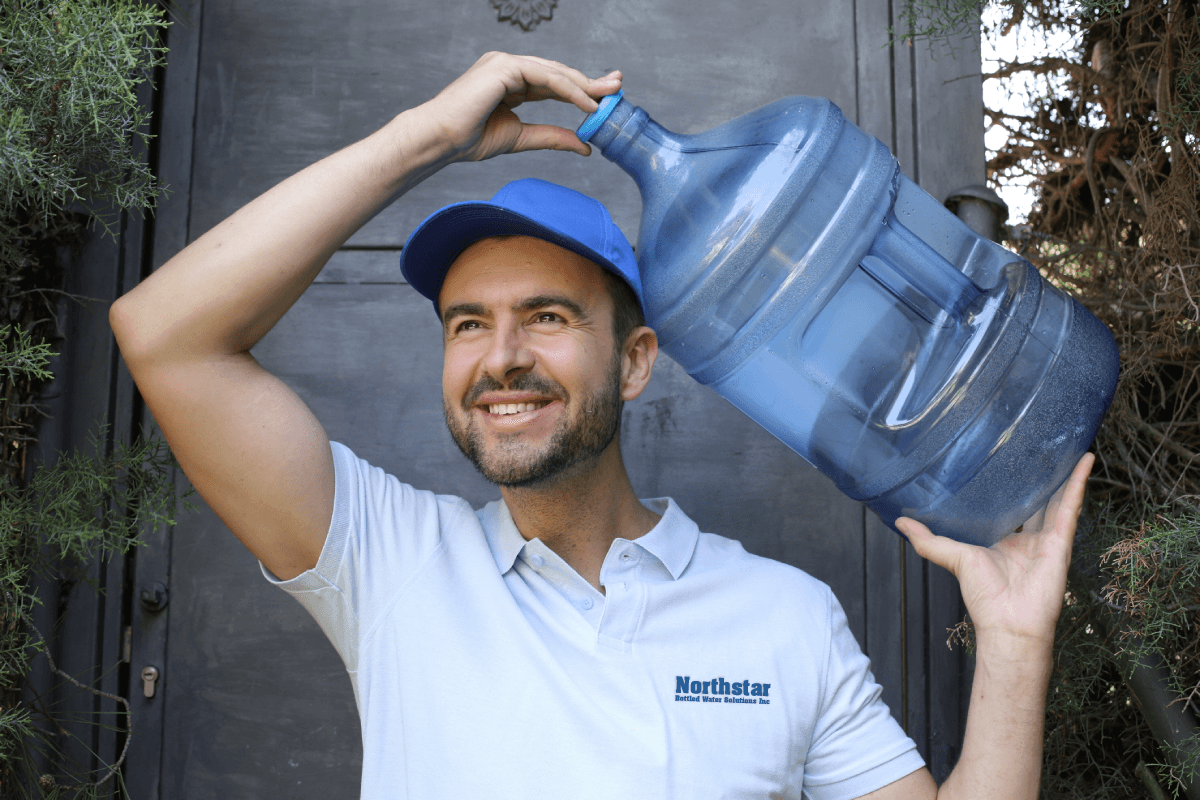
The most common way to get drinking water in Playa del Carmen (and all of Mexico) is garrafones — 20-liter (5-gallon) refillable plastic jugs delivered to your door.
How It Works
- You buy or rent garrafon jugs (typically need 2-4 for a household)
- A delivery truck comes on a regular schedule (usually 2-3 times per week)
- You swap empty jugs for full ones and pay the driver
- Many people also buy a stand/dispenser that sits on a counter or floor
Major Brands
- Bonafont — One of the most popular. As one expat shared: "I use Bonafont — all the Mexicans said it's better." Finding their delivery number can be tricky though — another community member asked: "Does anyone have an updated number for Bonafont water delivery? The number I had — they no longer do it."
- Ciel — Coca-Cola's water brand, widely available
- Cristal — Another popular option
- Local purificadoras — Small local water purification shops that sell refills cheaply
Cost
- Garrafon refill: $25–$40 pesos per 20L jug (~$1.50–$2.35 USD)
- Bottle deposit: $100–$120 pesos per jug (one-time, refunded when you return the bottle)
- Monthly cost for a couple: Roughly $200–$400 pesos ($12–$24 USD) using 2-3 garrafones per week
Setting Up Delivery
The easiest ways to set up garrafon delivery:
- Ask your landlord or neighbors. They'll know the local delivery driver's schedule and phone number.
- Flag down a delivery truck. You'll see branded trucks (Bonafont, Ciel) driving around neighborhoods. Wave one down and arrange regular delivery.
- Visit a local purificadora. Small water shops are everywhere — they can set up home delivery or you can carry jugs home yourself.
- WhatsApp. Most delivery drivers take orders via WhatsApp once you have their number.
One community member's experience: "Does anyone know a water delivery contact?" — This question comes up constantly. The best approach is truly to ask your neighbors or building manager. Delivery routes are very neighborhood-specific.
Water Filters — A More Convenient Option
Tired of dealing with heavy garrafones? Many expats install water filtration systems instead.
Under-Sink Reverse Osmosis (RO) Systems
The gold standard for home water filtration in Mexico:
- How it works: Multi-stage filtration system installed under your kitchen sink. Produces purified drinking water on demand from a dedicated tap.
- Cost: $3,000–$8,000 pesos ($175–$470 USD) for the system, plus installation
- Maintenance: Filter replacements every 6-12 months (~$500–$1,000 pesos per set)
- Brands: Rotoplas (Mexican brand, widely available), or imported systems from Amazon Mexico/MercadoLibre
- Best for: Homeowners or long-term renters (ask your landlord before installing)
One community member asked for: "Recommendations for a water filtering system for a 4-bedroom house with 5 bathrooms — any referrals or information on the options available here." For whole-house filtration, a multi-stage system from Rotoplas or a local water treatment company is your best bet.
Countertop Filters
- Brita/PUR pitchers: Available at Walmart and Amazon Mexico. Better than nothing for taste improvement, but NOT sufficient for making tap water safe to drink in Mexico. These filters remove chlorine and some sediment but don't eliminate bacteria and parasites.
- Gravity-fed filters (Berkey-style): More effective than pitchers. Some expats bring them from the US. Can be found on Amazon Mexico or MercadoLibre.
Important: Standard Brita-type filters are NOT enough to make Mexican tap water safe for drinking. You need a reverse osmosis or UV purification system for that.
UV Purification
UV water purifiers kill bacteria and viruses using ultraviolet light. They're effective and low-maintenance, but don't remove sediment or chemicals. Best used in combination with a sediment pre-filter.
Cistern and Tinaco Maintenance
Understanding your home's water system helps explain why tap water quality varies building to building:
How Water Gets to Your Tap
- Municipal water flows to your building (intermittently — not always 24/7)
- Water is stored in a cisterna (underground or ground-level tank)
- A pump pushes water up to the tinaco (rooftop tank)
- Gravity feeds water from the tinaco to your taps
Why This Matters
If the cisterna or tinaco aren't cleaned regularly, bacteria, algae, and sediment build up — making your water worse than what the city delivers. Good landlords clean these tanks every 6-12 months.
Ask your landlord: "When was the last time the cisterna and tinaco were cleaned?" If they don't know or it's been more than a year, request a cleaning. Professional tank cleaning costs $500–$1,500 pesos.
No Water? Here's Why
Occasional water outages are normal in Playa del Carmen. Common causes:
- Municipal supply interruption — The city cuts water to certain zones for maintenance
- Empty cisterna — If your building's cisterna runs dry, no water until it refills
- Pump failure — If the pump from cisterna to tinaco breaks, water stops flowing to upper floors
- Empty tinaco — If the rooftop tank empties faster than the pump refills it
As one community member discovered: "We have no water right now either. And my entire family is in my apartment visiting from Canada. It's an interesting experience." Always keep a few garrafones of drinking water as backup.
Is Ice Safe at Restaurants?
Generally, yes. Established restaurants, bars, and cafes in Playa del Carmen use purified ice (hielo purificado) from commercial suppliers. The ice comes in sealed bags from water purification plants — it's not made from tap water.
Where to be more cautious:
- Street food stands — Most are fine, but if you see ice being chipped from a large block of unclear origin, maybe skip it
- Very small, informal establishments — Lower risk but still possible they use tap-water ice
The general rule: if the restaurant looks established and busy with locals, the ice is safe.
Water Quick Reference
| Water Source | Safe to Drink? | Notes |
|---|---|---|
| Tap water | ❌ No | Never drink straight from the tap |
| Garrafon water | ✅ Yes | Standard drinking water solution |
| RO filtered water | ✅ Yes | Best home filtration option |
| Brita-filtered tap water | ⚠️ Not recommended | Not sufficient for Mexican tap water |
| Boiled tap water | ✅ Yes (if fully boiled) | Kills bacteria but doesn't remove chemicals |
| Restaurant ice | ✅ Generally yes | Established places use commercial purified ice |
| Bottled water | ✅ Yes | Check seal is intact |
Monthly Water Costs
| Method | Monthly Cost (MXN) | Monthly Cost (USD) |
|---|---|---|
| Garrafon delivery (household) | $200–$400 | $12–$24 |
| RO filter system (amortized) | $400–$700 | $24–$41 |
| Bottled water (individual) | $300–$600 | $18–$35 |
Getting your water situation sorted is one of the first things to do when settling in. For the complete setup guide, check our Moving to Playa del Carmen Checklist. And for other utility setup, see our CFE Electricity Guide.